 Excaloricate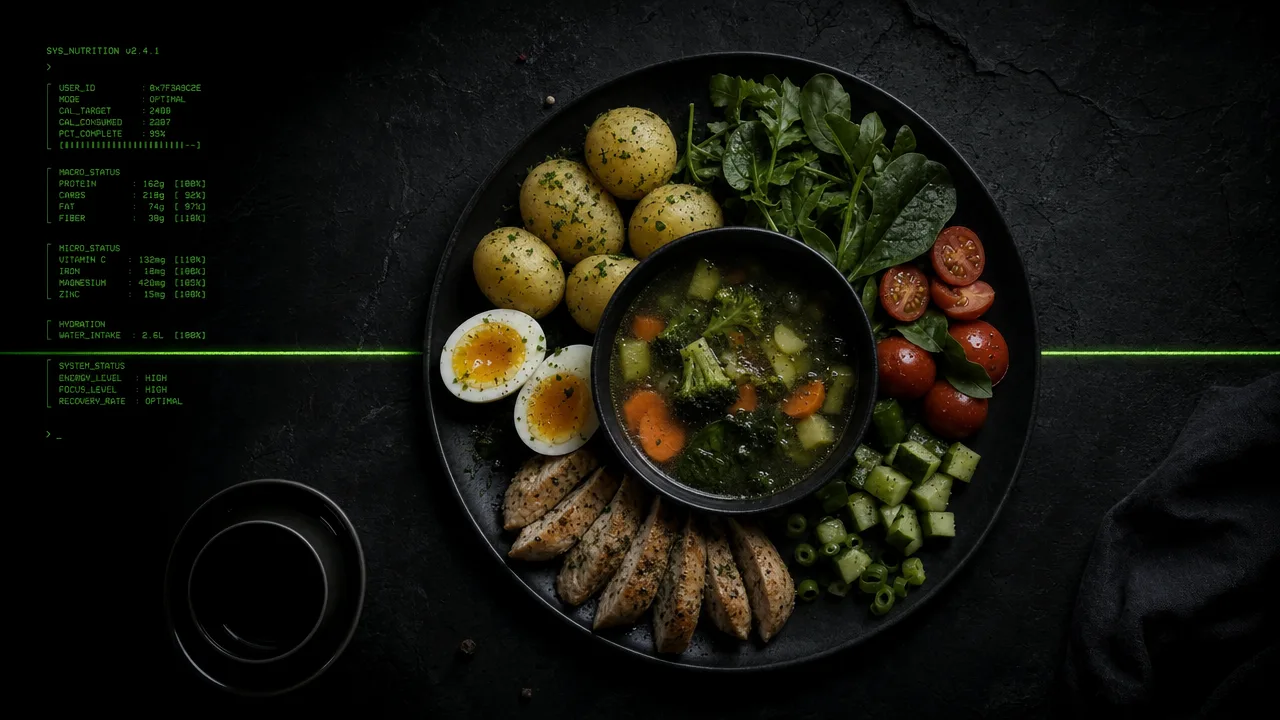
Hunger is the thing that quietly wrecks most calorie targets. You can do everything right until 4 p.m., then a wave of hunger arrives and the plan goes out the window. The fix usually isn't more willpower. It's choosing foods that buy you the most fullness per calorie.
Why some foods fill you up and others don't
Two meals with the same calorie count can leave you feeling completely different. A handful of chips and a large bowl of vegetable-and-bean soup might both be 300 calories, but one disappears in two minutes and the other keeps you satisfied for hours.
The difference comes down to a few simple levers:
- Water and volume. Foods that take up more space in your stomach signal fullness sooner. Soups, fruit, and vegetables are mostly water, so you get a lot of bulk for very few calories.
- Protein. Of the three macronutrients, protein is the most filling per calorie. It also takes longer to digest and blunts the hunger hormones that drive snacking.
- Fiber. Fiber slows digestion, steadies blood sugar, and adds volume without adding many calories. Beans, oats, vegetables, and whole fruit are loaded with it.
- Energy density. This is the master idea. It's simply calories per gram. Low-energy-density foods (think watermelon, broth, potatoes) let you eat a satisfying amount for few calories. High-energy-density foods (oils, nuts, chips, chocolate) pack a lot of calories into a small bite.
A short list of high-satiety foods
You don't need a chart on your fridge. A few reliable categories cover most of it:
- Potatoes and other starchy vegetables. Boiled potatoes top almost every satiety ranking. They're cheap, filling, and far lower in calories than the fried versions suggest.
- Eggs and lean protein. Eggs, chicken breast, white fish, Greek yogurt, tofu, and legumes all deliver protein with relatively few calories.
- Broth-based soups. Starting a meal with a brothy soup is one of the oldest tricks for eating less overall — and it works.
- Whole fruit. An apple or an orange takes time to eat and brings fiber and water. Fruit juice does none of this, which is why it's so easy to overdo.
- Vegetables, almost without limit. Leafy greens, peppers, cucumbers, and tomatoes add volume and crunch for almost no calories.
How to actually use this
You don't have to overhaul your diet. Try a few swaps and additions:
- Add volume before you subtract. Pile half your plate with vegetables first. You'll naturally have less room for the calorie-dense stuff.
- Lead with protein. Build each meal around a protein source, then add the rest. Hunger arrives later and milder.
- Drink your water, eat your fruit. Whole fruit fills you up; juice and smoothies often don't. Same calories, very different result.
- Watch the add-ons, not the base. A baked potato is light; the butter, cheese, and bacon bits are where the calories hide.
The goal isn't to eat less food. It's to eat the food that actually fills you up, so eating less feels effortless instead of like a fight.
When you log meals in Excaloricate, you'll start to notice the pattern yourself: the meals that kept you full for hours were almost always the high-volume, protein-forward ones — and they often cost fewer calories than the snack that left you hungry an hour later. Once you see it in your own log, choosing the filling option stops being a rule you follow and becomes the obvious move.