 Excaloricate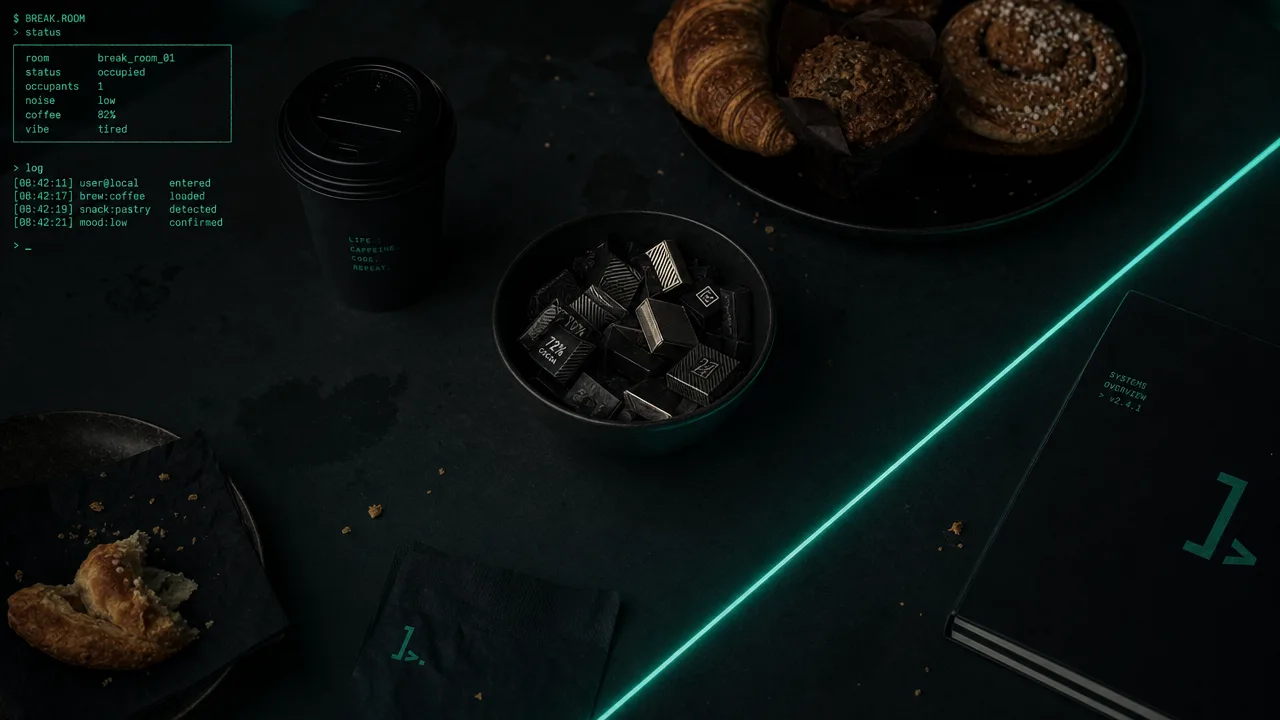
Daniel ate three reasonable meals a day. Porridge in the morning, a normal lunch, a normal dinner. So when the scale showed 11 kg more than the day he started his desk job two years earlier, he genuinely couldn't explain it. He wasn't eating badly. He was sure of that.
He was also walking past the office snack table maybe fifteen times a day.
The table that was always full
Every open-plan office has one. Daniel's sat between his desk and the coffee machine: pastries on Monday, leftover birthday cake on Wednesday, a bottomless bowl of fun-size chocolates, and a fridge of free cold brew. None of it ever felt like eating. It was a biscuit on the way to a meeting, two chocolates while a build compiled, a slice of someone's cake because saying no felt rude.
Each trip cost him nothing he noticed. That was exactly the problem.
Logging the invisible
Daniel started logging not because he believed it would reveal anything dramatic, but because his meals already looked fine and he wanted proof the scale was lying. It wasn't.
His three meals came in around 1,700 calories — completely reasonable for him. The snack table added another 600 to 800, every single day, in pieces so small he'd never have guessed. Two chocolates here, a pastry there, a cold brew with milk. Logged honestly, it stacked into the exact surplus that had been quietly padding the scale for two years.
"I wasn't overeating at meals. I was eating a second lunch, one chocolate at a time, and never once sitting down for it."
He didn't ban the table
Daniel knew himself. A rule like never touch the snack table would last about three days. So he made smaller, survivable changes instead.
- He logged the grazing first, before eating it. Seeing "+90" attached to a single chocolate was usually enough to make him skip the second one.
- He kept his own drawer stash — a couple of pieces of fruit and some plain yoghurt — so a craving had a cheaper answer than the cake.
- He moved his water bottle to the far side of the office, so the trip that used to end at the snack table now ended at the tap.
None of it required willpower at the table itself. It just made the easy choice a slightly better one.
The slow win
The weight came off about as quietly as it had gone on. No dramatic week, no before-and-after moment — just a steady drift downward as the daily surplus turned into a small deficit. Some days he still ate the cake, logged it, and moved on. Those days didn't matter as long as the average held.
A little over seven months later, Daniel was 12 kg down. The snack table hadn't changed at all. He just finally knew what it was costing him — and that was enough to stop paying full price.