 Excaloricate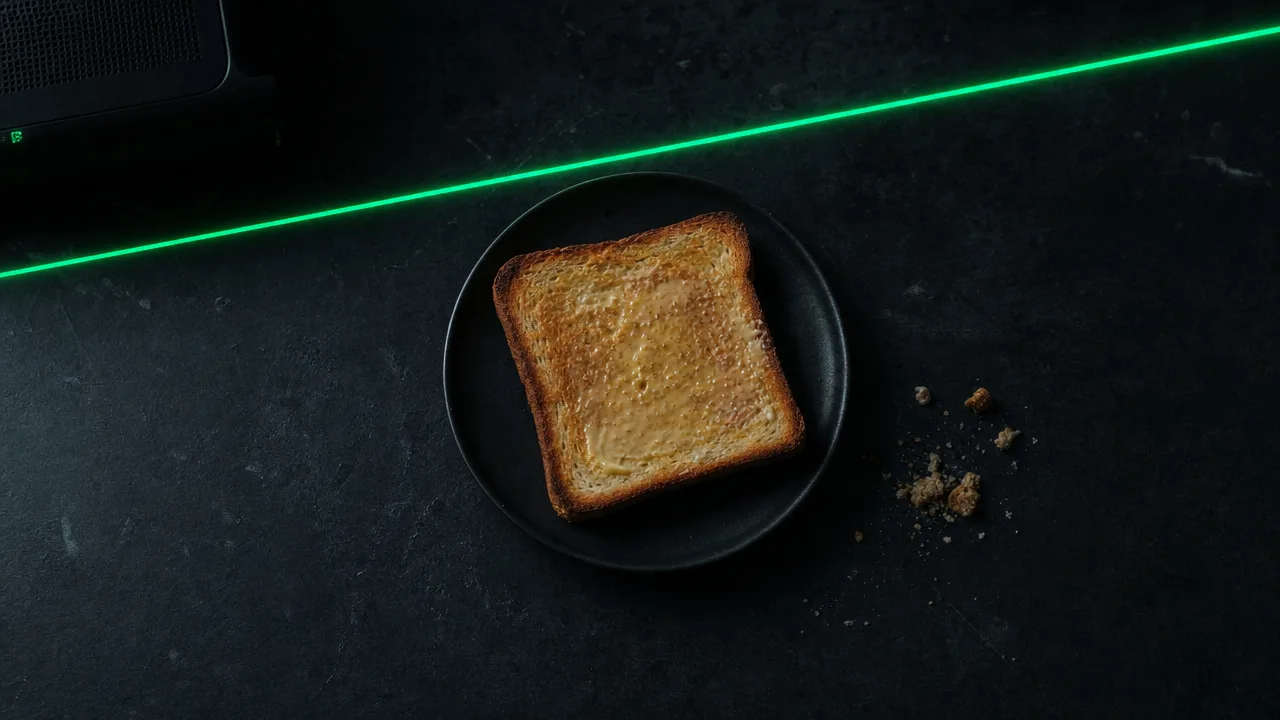
Margaret taught secondary-school English for thirty-eight years. For most of that time she never thought about her weight — not because she was careful, but because the job did the work for her. She was on her feet from the first bell, walking between classrooms, eating the same quick lunch in the same twenty-minute window, home by six with a routine so fixed she could have set a clock by her own appetite.
Then she retired. And within a year she was 9 kg heavier and could not say exactly how it had happened.
When the day loses its edges
The strange part, Margaret said later, was that she didn't feel like she was eating more. There was no binge, no new vice. What disappeared was the shape of the day. No bell told her lunch was over. No staffroom kettle marked the one tea break she was allowed. The kitchen was now ten steps away, all day, every day.
So she grazed. A slice of toast at half past nine because she was up anyway. The end of the loaf at eleven. A proper lunch, then a biscuit with the afternoon coffee, then another because the packet was open. By the time her husband got home she'd half-cooked and half-eaten her way through more calories than a teaching day had ever held.
"I'd retired from work. I hadn't realised I'd also retired from a routine that was quietly keeping me in shape."
Giving the day its structure back
Margaret's daughter suggested she just write down what she ate. Not a diet — just a record. Margaret was sceptical; she'd never counted a calorie in her life. But she started logging, and the first thing it gave her wasn't a number. It was a frame.
Suddenly the day had edges again. Logging breakfast made breakfast a meal instead of the first of six nibbles. Seeing the morning toast appear on the list made the second slice feel like a decision rather than a reflex. The grazing didn't vanish overnight, but it became visible, and visible was enough to make most of it stop.
The total surprised her. Her actual meals were modest. The damage was almost entirely in the in-between — easily 600 to 700 calories a day of bits and ends she'd never have counted as eating.
A slower pace suits a slower life
She didn't crash-diet. At sixty-two, with all the time in the world, there was no reason to rush. She set a gentle target, kept logging, and let the in-between snacking shrink to a couple of deliberate ones she actually enjoyed. She also did the thing the job used to do for her: she built a walk into the morning, fixed, non-negotiable, the new bell.
The weight came off over about ten months — unhurried, the same pace it had crept on. By the following spring she was back to what she'd weighed in the classroom, 9 kg down, and eating, if anything, a little better than she had while working.
Retirement hadn't made her gain weight. The loss of structure had. Logging simply handed the structure back — and this time it was hers to keep.