 Excaloricate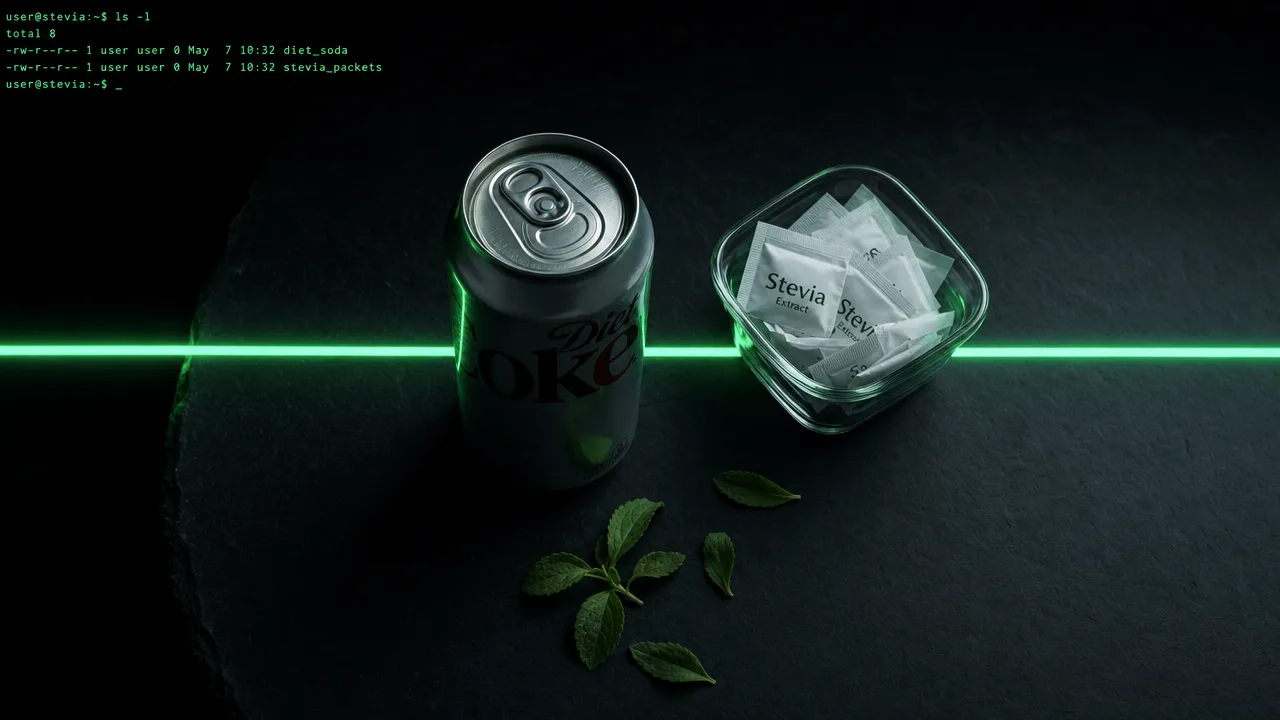
Diet soda, stevia in your coffee, "zero sugar" on every second shelf — artificial sweeteners promise sweetness without the calories. So do they actually help you lose weight, or is there a catch? Here's the honest picture.
The simple case for them
The whole point of a sweetener like sucralose, aspartame, or stevia is that it tastes sweet but delivers essentially no calories. Swap a regular cola (around 140 calories) for a diet one (around zero) and you've cut those calories cleanly. Do it a few times a week and it adds up.
For a lot of people that single swap is one of the easiest calorie cuts available — no willpower, no smaller portions, just a different can. If you genuinely enjoy the diet version, this is a real, boring win. Take it.
The "but they make you eat more" worry
You've probably heard that sweeteners trick your body into craving more sugar, or that they spike insulin and stall fat loss. The evidence here is messier than either side admits.
- Blood sugar and insulin. For most non-caloric sweeteners the effect on blood sugar is small to negligible. They don't behave like sugar in your bloodstream.
- Cravings. Some people report that a very sweet diet drink keeps their taste for sweetness alive, making a cookie harder to skip later. Others feel the opposite — the sweet hit satisfies them. This one is genuinely individual.
The takeaway: sweeteners aren't a metabolic trap, but they're not magic either. What matters is your total intake at the end of the day, not the sweetener in isolation.
How to actually use them
Treat artificial sweeteners as a tool for one job — replacing calories you were already drinking or eating.
- Great use: diet soda instead of regular, sweetener in coffee instead of two sugars, zero-calorie flavored water instead of juice.
- Wasted use: adding a diet soda on top of your usual meal because it's "free." Free calories still leave you as hungry as before.
- Watch the health halo: "sugar-free" on a label doesn't mean calorie-free. Sugar-free cookies and protein bars often lean on sugar alcohols and plenty of fat — log them like anything else.
What about taste and habit?
Some people use diet drinks to cut back on sugar gradually; others treat them as a bridge to eventually preferring water and unsweetened coffee. Both are fine. There's no medal for drinking your coffee black — pick what keeps you consistent.
The bottom line
Artificial sweeteners can be a genuinely useful calorie-cutting tool, and for most people they don't sabotage weight loss. Use them to replace calories, not to justify extra ones. If a diet drink helps you enjoy your day while staying in a deficit, it's doing its job. If you notice it revs up your sweet tooth, cut back and see what happens. As always, log what you eat and drink, watch the weekly trend, and let the total — not any single ingredient — guide your adjustments.