 Excaloricate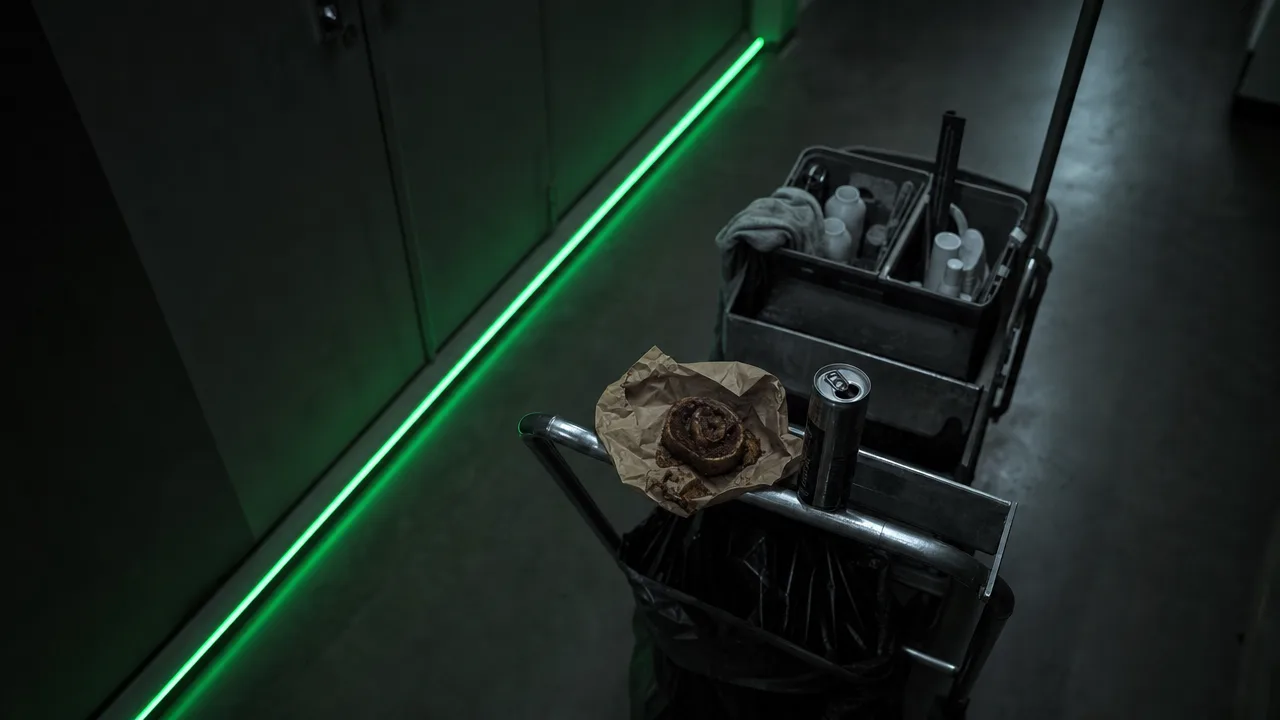
Marta cleaned houses for a living. Eight, sometimes ten hours a day on her feet, hauling a vacuum up three flights, scrubbing on her knees, moving furniture that was never light. Her watch told her she walked more before noon than most people did all day. So when the number on the scale crept up over a year, it made no sense to her. How could someone this active gain weight?
The "I earned it" trap
The job felt like a workout, and in a way it was. But a body is good at adapting. After years of the same routine, Marta's burned less than she imagined — the movements had become efficient, second nature, cheap. Meanwhile the belief that she was constantly torching calories gave her permission to eat like it. A pastry between the first and second house. An energy drink to get through the afternoon. A big dinner, because she had "earned" it.
None of it felt like overeating. It felt like fuel for a hard job. And that was exactly why it was invisible.
The food she ate standing up
Marta never sat down to a meal until the evening. Everything before that was eaten on the move: grabbed at a bakery counter, sipped in the car between clients, handed to her by a kind homeowner. Food you eat standing up, half-distracted, on your way to the next thing, does not register the way a plated meal does. She genuinely could not have told you what she'd eaten by 3 p.m., only that she'd been too busy to think about it.
That is the hardest kind of eating to track — not the dinner you plan, but the dozen small things that happen while you are working.
Describing the day, one stop at a time
She started using Excaloricate for a simple reason: she was never near a kitchen or a label. What she could always do was describe. "A cheese pastry and a large coffee with milk." "One of those big energy drinks." "Half a sandwich a client gave me." Thirty seconds, standing in a stranger's hallway, and she had a number.
Two weeks of that painted a clear picture. The work was real, but it was not the deficit she'd assumed. The surplus was almost entirely the grab-and-go: the pastries, the sugary drinks, the "just a bite" that happened five times a day. Her actual meals were fine.
What changed
Not the job — she still climbed the same stairs. What changed was that the invisible food became visible. Marta packed two proper snacks in the morning so she wasn't at the mercy of whatever bakery she passed. She swapped the afternoon energy drink for coffee most days and kept it as a treat on the genuinely brutal ones. She stopped treating a hard shift as a blank check.
The scale turned around within a month. Her days were exactly as physical as before. She had simply stopped letting the effort write a check her fork kept cashing.